Effective Pour Planning for Concrete Pumping Projects
Pour planning is a critical aspect of any concrete pumping project, ensuring that the process runs smoothly and efficiently. Whether you are a homeowner preparing for a driveway installation or a contractor managing a larger commercial project, understanding what to consider before scheduling concrete pumping can significantly impact the success of your project. This article discusses key planning considerations, communication with service providers, and how to prepare for a concrete pour.
Understanding Concrete Pumping
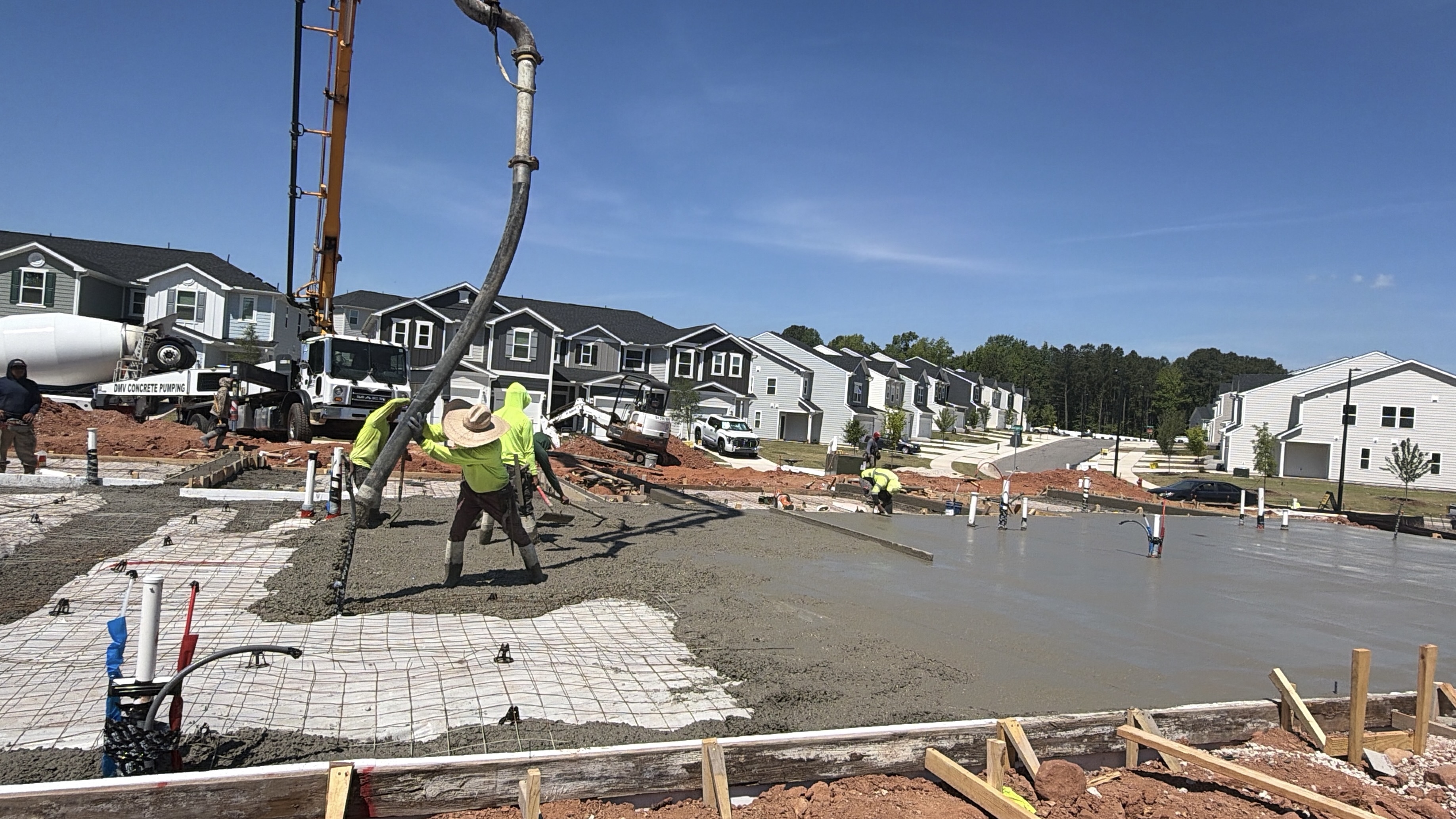
Concrete pumping is the process of transferring liquid concrete from a truck to the desired location using a pump. This service is particularly beneficial when direct access for concrete trucks is limited, such as in tight urban environments or residential areas with narrow driveways. It allows for efficient placement of concrete in various applications, including driveways, sidewalks, foundations, and more.
Project Location and Type of Concrete Placement
Before arranging for concrete pumping, it's essential to consider the project location and the type of concrete placement required. Different applications may have unique requirements based on the site’s characteristics. For instance, pouring concrete for a pool deck will differ significantly from pouring footings for a new structure. Discussing the specifics of your project with DMV Concrete Pumping can help identify the best approach for your needs.
Assessing Property Access and Existing Structures
Limited property access can pose challenges in concrete pumping. It’s crucial to evaluate the site for any obstructions that may hinder access for the pumping equipment. Consider existing structures, fences, and landscaping that might impact where the pump can be placed. Relaying this information to DMV will help in planning an effective pour and ensure that the equipment can reach the desired location without obstruction.
Fencing, Landscaping, and Surrounding Features
Landscaping and fencing can significantly affect the logistics of a concrete pumping operation. Customers should take note of any surrounding features that may require special consideration. For example, delicate landscaping could be damaged during the pumping process, and fencing might restrict access to certain areas. Communicating these details ahead of time allows for better planning and helps in minimizing potential disruptions.
Information to Share Before Scheduling
When contacting DMV Concrete Pumping, provide as much information about your project as possible. Key details to communicate include:
- The type of project (e.g., driveway, sidewalk, foundation).
- The proposed location for the concrete pour.
- Access challenges and site conditions.
- Coordination with your concrete supplier.
- Any time constraints or scheduling preferences.
This information allows the pumping service to prepare adequately and ensure that everything is in place for a successful pour.
Coordination with the Concrete Supplier
Effective communication between the concrete supplier and the pumping service is vital for a smooth operation. Ensure that both parties are aware of the project schedule, concrete mix specifications, and any unique requirements associated with the pour. This coordination helps to prevent delays and ensures that the concrete arrives on site ready for pumping.
Questions to Discuss with DMV
Before scheduling your concrete pumping service, consider discussing the following questions with DMV:
- What are the logistical considerations for my specific site?
- How can I best prepare the site for the pump?
- What should I expect on the day of the pour?
- How will the concrete be delivered and pumped into the specified area?
Having these discussions will provide clarity and help ensure that the pumping operation aligns with your project goals.
Considerations for Timing and Weather
Timing is another critical factor in concrete pumping. Weather conditions can significantly affect the pouring process. Rain, extreme heat, or cold can impact how concrete sets and cures. Discussing potential weather-related concerns with DMV can help you better plan your project timeline. Additionally, if your project has specific deadlines, it's important to communicate those to ensure that scheduling aligns with your needs.
Understanding Safety Protocols
Safety is paramount in any construction-related activity, including concrete pumping. While DMV Concrete Pumping focuses solely on the pumping aspect, it’s advisable for customers to be aware of general safety protocols. This includes ensuring that the area is clear of unnecessary personnel and that all safety barriers are in place. Discussing safety measures with DMV can help reinforce a safe working environment during the concrete pour.
Conclusion
Pour planning is an essential phase in concrete pumping projects that can significantly influence the outcome. By understanding the project location, assessing property access, coordinating effectively with your concrete supplier, and discussing logistics and safety with DMV Concrete Pumping, you can set the stage for a successful pour. For further assistance and to discuss your concrete pumping project, call (919) 539-9318 or visit dmvconcretepumping.com.