Essential Considerations for Concrete Pumping Planning
Introduction
Concrete pumping is a vital service in the construction industry, providing an efficient means to place concrete in areas that may be difficult to access. For property owners, understanding how concrete pumping works and what considerations are necessary for a successful project is essential. This article will explore the key factors to consider when planning a concrete pumping project, particularly for residents and contractors in the Raleigh, Durham, Cary, and surrounding Triangle communities.
Understanding Concrete Pumping
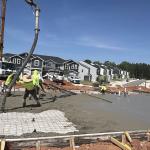
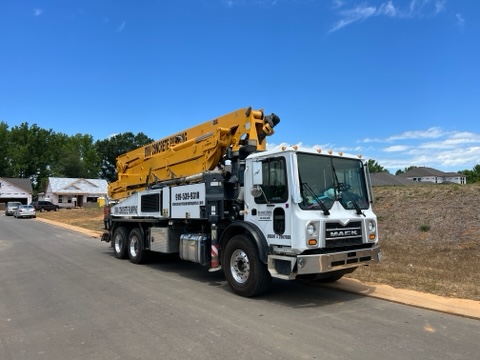
Concrete pumping involves transferring liquid concrete from a truck to the desired location using a pump and hoses. This method is particularly useful for projects where direct truck access is limited, allowing for precise placement of concrete in hard-to-reach areas. It's important to note that while DMV Concrete Pumping provides pumping services, they do not engage in the actual construction or finishing of concrete. Their focus is solely on the pumping aspect, ensuring that concrete is delivered where it is needed most efficiently.
Identifying Project Location and Type
Before scheduling a concrete pumping service, property owners should consider the specific location of the project. Whether it’s a driveway, sidewalk, or patio area, understanding the type of concrete placement required will help facilitate better planning. For instance, projects involving tight spaces, elevated areas, or intricate designs may require additional planning to ensure effective concrete placement. Discussing the specifics of your project with DMV can help clarify any unique requirements or considerations.
Assessing Jobsite Access
Access to the job site is a critical consideration in the concrete pumping process. Property owners should evaluate whether the site has adequate access for the concrete pump truck. Factors such as narrow driveways, steep slopes, or existing structures can significantly affect access. It's essential to clearly communicate any potential access limitations to DMV Concrete Pumping when discussing the project. This information allows them to plan appropriately and potentially suggest alternative solutions that fit your needs.
Existing Structures and Obstructions
Existing structures, fences, landscaping, and other property features can pose challenges during concrete pumping. Homeowners should take a thorough inventory of these elements before scheduling the service. Sharing this information with DMV Concrete Pumping can help them prepare for any necessary adjustments during the pumping process, ensuring a smooth operation. For example, knowing the proximity of trees or fences can help the team strategize the best approach for the pump's placement and hose routing.
Coordination with the Concrete Supplier
Effective communication between the concrete supplier and the pumping service is essential for a successful project. Property owners should coordinate the timing of the concrete delivery with the pumping service to avoid delays or complications. Discussing this coordination with DMV Concrete Pumping prior to the project can help streamline the process, ensuring that everything runs smoothly on the day of the pour. This collaboration is crucial to maintain the flow of work and adhere to the project timeline.
Questions to Discuss with DMV
When planning a concrete pumping project, it's beneficial for property owners and contractors to prepare a list of questions to discuss with DMV Concrete Pumping. Consider asking about:
- Their experience with similar projects in your area.
- Potential challenges they foresee based on your site conditions.
- Their recommendations for ensuring successful access and placement.
- Any specific information they require from you to facilitate the service.
- What safety measures are in place during the pumping process.
- How they manage unexpected site conditions that may arise during the project.
Concrete Pumping Applications
Concrete pumping can be applied in various scenarios, making it a versatile choice for many projects. Common applications include:
- Residential driveways and sidewalks
- Foundations for homes and commercial buildings
- Slabs for garages or sheds
- Concrete walls for basements or retaining structures
- Patios and outdoor living spaces
Each of these applications may have unique requirements, and discussing the specific needs of your project with DMV can ensure that the right approach is taken for effective concrete placement.
Final Considerations
As you prepare for your concrete pumping project, it's important to remember that thorough planning and clear communication with DMV Concrete Pumping can significantly enhance the overall experience. Taking the time to evaluate all relevant factors, including jobsite access, existing site conditions, and coordination with suppliers, will lead to a smoother concrete placement process. Always feel free to ask questions and share your concerns to ensure all parties are aligned for a successful outcome.
Conclusion
Planning for concrete pumping involves careful consideration of various factors, including jobsite access, existing site conditions, and coordination with suppliers. By taking the time to evaluate these elements, property owners can ensure a smoother concrete placement process. For further assistance and to discuss your concrete pumping needs, contact DMV Concrete Pumping. Call (919) 539-9318 or visit dmvconcretepumping.com to discuss your concrete pumping project.