Key Considerations for Concrete Pumping in Residential Applications
When it comes to residential construction projects, concrete pumping can be a valuable solution for efficiently placing concrete in areas that are difficult to access. Homeowners in the Raleigh, Durham, Cary, and surrounding Triangle area may have specific needs for their concrete projects, such as driveways, sidewalks, and slabs. This article discusses key considerations for homeowners planning concrete pumping to ensure a smooth and successful project.
Understanding Concrete Pumping
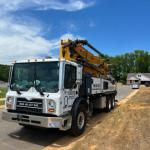
Concrete pumping is a method used to transfer liquid concrete to a specific location on a job site. This service is particularly useful in residential applications where direct access for concrete trucks may be challenging. By utilizing a pumping service, homeowners can achieve precise placement of concrete, minimizing the need for manual labor and reducing the risk of damage to surrounding areas. The pumping process can also save time and effort, allowing for a more efficient workflow on the job site.
Project Location and Access
One of the first considerations for homeowners is the project location. Understanding how accessible the site is for concrete trucks is crucial. If access is limited due to narrow driveways, fences, or existing structures, this is where a concrete pumping service can make a difference. Discussing the layout with DMV Concrete Pumping can help identify potential challenges and solutions. Homeowners should evaluate the path from the street to the project site, noting any obstacles that could impede access. Furthermore, it can be beneficial to assess the ground conditions, as wet or uneven surfaces may affect the equipment's mobility.
Existing Structures and Landscaping
Homeowners should also consider existing structures and landscaping when planning their concrete project. Features such as trees, shrubs, or fences can obstruct the path for concrete pumping equipment. It’s important to assess how these elements might impact the project and communicate any concerns to DMV. This will aid in planning the most effective concrete placement strategy. Additionally, understanding the layout of the property can help in determining the most efficient route for the pump, ensuring minimal disruption to existing features. Homeowners should also consider how the project might affect drainage patterns and existing landscaping, as these factors can influence the overall success of the installation.
Information to Share Before Scheduling
Before scheduling a concrete pumping service, homeowners should gather and share specific information about the project. This includes the type of concrete application (e.g., driveway, sidewalk, slab), the desired location for concrete placement, and any access issues identified. Providing this information helps ensure that DMV Concrete Pumping can prepare appropriately for the job. Homeowners should also consider sharing details about the anticipated volume of concrete required, as this will assist in planning the logistics of the pumping operation. Additionally, any timelines or deadlines for the project should be communicated to facilitate proper scheduling and coordination.
Coordination with Concrete Suppliers
Effective coordination between the concrete supplier and the pumping service is essential for the success of any concrete project. Homeowners should be aware that concrete pumping is a separate service from concrete supply. Discussing the timeline, delivery schedules, and required concrete mix with both the supplier and DMV will help streamline the process and reduce potential delays. Clear communication regarding the timing of concrete delivery in relation to the pumping schedule is vital to ensure that the project proceeds smoothly. Homeowners should also confirm the quantity of concrete needed to ensure that the supplier can meet the demands of the project without unnecessary delays.
Questions to Discuss with DMV
Homeowners should come prepared with questions when discussing their project with DMV Concrete Pumping. Here are some important topics to cover:
- What is the best access point for the pump?
- What type of concrete application is most suitable for my project?
- Are there any specific considerations for my property layout?
- What steps should I take to prepare the area before pumping?
- How will the pumping process be managed to ensure minimal disruption to my property?
- What safety measures are in place during the pumping process?
These questions will help ensure that all parties are aligned on expectations and logistics. Additionally, understanding the pumping process and what to expect can help homeowners feel more confident in the project. It’s also a good opportunity to inquire about any potential challenges that may arise and how they can be addressed effectively.
Residential Applications of Concrete Pumping
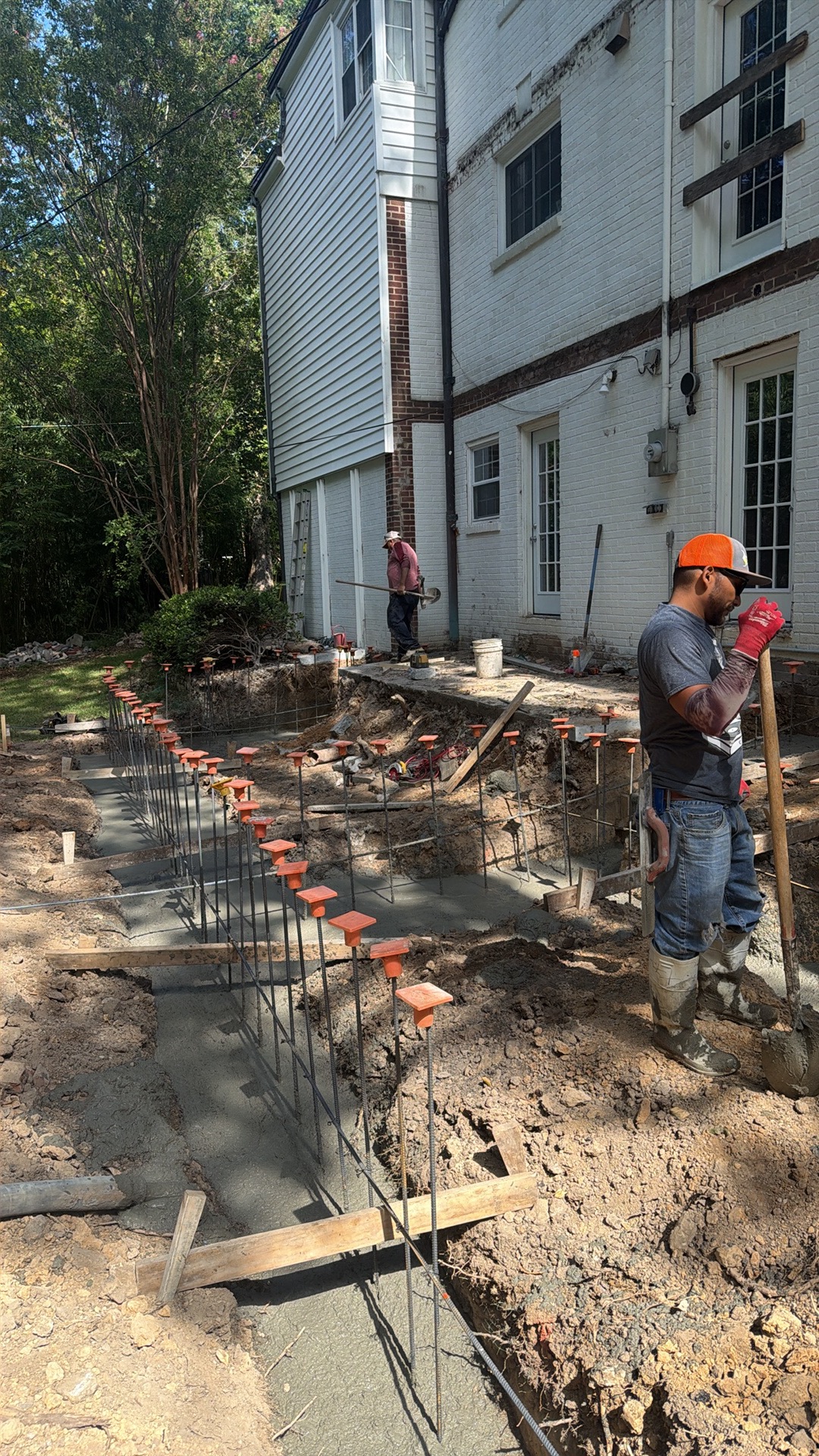
Concrete pumping can be applied in various residential scenarios. For example, when pouring a new driveway, the pump can efficiently deliver concrete even if the only access is through a narrow pathway. Similarly, for sidewalks and patio slabs, pumping can minimize the impact on landscaping and existing structures, providing a cleaner and more controlled installation process. Other applications may include foundations for home additions, retaining walls, or even decorative concrete features. Each project presents unique challenges, and discussing these with DMV can lead to tailored solutions. Homeowners should also consider how the finished concrete work will integrate with existing structures and landscapes, ensuring a cohesive look and functionality.
Conclusion
Concrete pumping is a versatile solution for residential projects that require concrete placement in hard-to-reach areas. Homeowners in the Triangle area should consider factors such as project location, existing landscaping, and effective communication with both DMV Concrete Pumping and concrete suppliers to ensure a successful outcome. By preparing adequately and discussing relevant details with DMV, homeowners can facilitate a smooth concrete pumping process. Proper planning and communication are key to achieving the desired results in any concrete project.
For more information or to discuss your concrete pumping project, call (919) 539-9318 or visit dmvconcretepumping.com.