Planning for Concrete Pumping in Residential Applications
Introduction
Concrete pumping is a vital service for homeowners in the Raleigh, Durham, and Cary areas, especially when direct access for concrete trucks is limited. This article will explore the important planning considerations for residential applications, including driveways, sidewalks, and slabs. By understanding the factors involved, property owners can effectively coordinate their projects and ensure a smooth concrete placement process.
Understanding Concrete Pumping
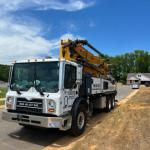
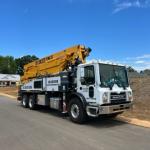
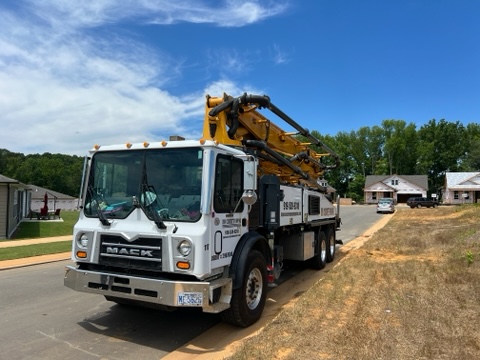
Concrete pumping involves transferring liquid concrete from a delivery truck to the desired location on a job site using specialized equipment. This method is particularly beneficial in residential projects where space constraints or site conditions make conventional pouring difficult. The service is distinct from concrete construction, which involves the actual installation or finishing of the concrete. Concrete pumping focuses solely on the movement of concrete, ensuring it reaches the intended areas efficiently.
Project Location and Type of Concrete Placement
Before scheduling a concrete pumping service, homeowners should consider the project location and the type of concrete placement needed. For example, if the project involves pouring a new driveway or sidewalk, it’s essential to evaluate the terrain and existing structures. A clear understanding of the site can help in determining the best approach for concrete placement. Additionally, homeowners should think about the volume of concrete required, as larger projects may necessitate different logistical considerations. Understanding whether the project is a small slab or a larger driveway can affect how the pumping service is executed.
Limited Property Access and Existing Structures
Many residential properties have limited access due to fences, landscaping, or other structures. Homeowners should assess whether the concrete pumping equipment can reach the designated area. If the access is restricted, it may require more planning and coordination with the concrete supplier and the pumping service to ensure that the equipment can safely and effectively operate on the site. Discussing potential access challenges with DMV Concrete Pumping can lead to tailored solutions that meet specific project needs. It may also be helpful to explore alternative access points or temporary adjustments to surrounding features to facilitate the pumping process.
Surrounding Property Features
It’s also crucial to consider surrounding property features that may impact the concrete pumping process. This includes nearby trees, utility lines, and slopes. Homeowners should discuss these features with DMV Concrete Pumping to ensure that all potential obstacles are identified and addressed before the project begins. Understanding how these features may affect the placement can help in planning the most effective route for the concrete pump. For instance, if there are overhead power lines or nearby structures that could obstruct the pump's reach, this information should be communicated early in the planning stages.
Information to Share Before Scheduling
When contacting DMV Concrete Pumping, homeowners should provide detailed information about their project. This includes the specific type of concrete placement, site access issues, and any surrounding features that may affect the service. Clear communication helps ensure that the service provided aligns with the project requirements and minimizes potential issues on-site. Being prepared with this information can lead to a more efficient scheduling process and a better overall experience. Homeowners might consider creating a checklist of details to share, such as the project size, any unique site conditions, and the timeline for completion.
Coordination with Concrete Suppliers
Coordination between the concrete supplier and the pumping service is essential for successful concrete placement. Homeowners should confirm that the concrete supplier is aware of the pumping schedule and requirements. This collaboration helps ensure that the right amount of concrete arrives on time and that the pumping service can proceed without delays. Homeowners are encouraged to facilitate this communication early in the process to avoid any last-minute complications. It can also be beneficial to discuss the concrete mix specifications with the supplier to ensure compatibility with the pumping service.
Questions to Discuss with DMV
Prior to scheduling concrete pumping, homeowners should prepare a list of questions to discuss with DMV Concrete Pumping. This may include inquiries about the process, timelines, and any specific considerations related to their project. Having a clear dialogue will help set expectations and provide a smoother experience throughout the project. Questions could cover topics such as the estimated time for pumping, how weather conditions might impact scheduling, and any specific safety measures that will be in place during the operation. Additionally, homeowners might ask about the equipment used and how it will be positioned to optimize the concrete placement.
Conclusion
Concrete pumping is an effective solution for homeowners in the Triangle area looking to undertake residential projects such as driveways, sidewalks, and slabs. By considering project location, access limitations, surrounding features, and coordinating with suppliers, property owners can facilitate a successful concrete placement process. For more information on how to plan for your concrete pumping project, call (919) 539-9318 or visit dmvconcretepumping.com to discuss your concrete pumping project.