Essential Considerations for Concrete Pumping in Residential Projects
Introduction
Concrete pumping is an essential service for many residential construction projects, allowing for efficient and precise placement of concrete in areas that may be hard to reach. Whether you’re planning a new driveway, patio, or any other concrete application, understanding the nuances of concrete pumping can significantly impact the success of your project. This article outlines essential considerations for homeowners regarding concrete pumping, ensuring a smooth and effective process.
Understanding Concrete Pumping Services
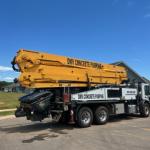
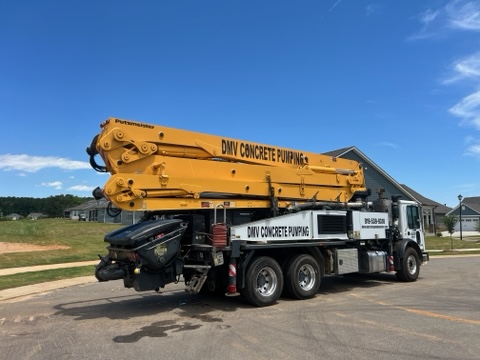
Concrete pumping involves the transportation of liquid concrete from a truck to the desired location using a pump and hose system. This method is particularly beneficial when direct access for concrete trucks is limited. It allows for flexibility in placement, making it ideal for residential projects with obstacles such as fences, trees, or existing structures. The ability to pump concrete to various locations on your property can save time and minimize labor costs, making it a preferred choice for many homeowners.
Project Location and Type of Concrete Placement
Before scheduling concrete pumping services, homeowners should think about the specific location where the concrete will be poured. Consider whether the area is easily accessible or if there are any limitations that might affect the pumping process. For instance, a backyard with narrow access may require careful planning to ensure that the pump can reach the intended spot without obstruction. Knowing the type of concrete placement needed—be it for a slab, driveway, or patio—will also influence how you plan for the service. Each application may have different requirements in terms of volume and placement precision.
Addressing Limited Property Access
Many residential properties have limited access points, which can complicate concrete pumping. If your property has narrow gates, steep slopes, or other constraints, it’s crucial to communicate these factors to the pumping service. Provide detailed information about the layout of your property to help the service plan effectively. This might include sharing photos or diagrams of access points and potential obstacles. Understanding these limitations upfront allows DMV Concrete Pumping to prepare adequately, ensuring that the pumping process is as efficient as possible.
Existing Structures and Landscaping
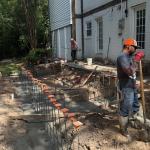
Consider the existing structures and landscaping around the area where the concrete will be placed. Homeowners should assess whether there are fences, gardens, or other landscaping features that might obstruct the pump or hose. Discussing these elements with DMV Concrete Pumping can help ensure that the service is aware of potential challenges and can plan accordingly to avoid damage. Being proactive about these concerns can save time and money, as well as prevent any unnecessary complications during the pouring process.
Coordination with Your Concrete Supplier
Effective coordination between the concrete supplier and the pumping service is vital for a successful pour. Homeowners should ensure that both parties are aligned on the timing and specifics of the project. This includes confirming the type of concrete mix needed and the exact timing of the delivery. Clear communication helps prevent delays and ensures a seamless operation on the day of the pour. It’s beneficial to have a clear timeline and to confirm that everyone involved is aware of their roles and responsibilities during the project.
Information to Share Before Scheduling
When reaching out to DMV Concrete Pumping, homeowners should provide comprehensive information about their project. This includes:
- The location of the pour and any access limitations.
- The type of concrete application (e.g., driveway, footings, or patio).
- Details about surrounding structures, landscaping, or obstacles.
- Timing and coordination with the concrete supplier.
Providing this information allows the pumping service to prepare adequately and ensure all aspects of the job are considered. The more detailed the information you provide, the better DMV Concrete Pumping can tailor their services to meet your specific needs.
Questions to Discuss with DMV Concrete Pumping
Having a list of questions ready when discussing your project with DMV can enhance the planning process. Consider asking:
- What are the access requirements for the pump?
- How will you coordinate with my concrete supplier?
- What information do you need from me to ensure a smooth process?
- What measures will be taken to protect my property during the pump operation?
- What is the expected timeline for the pumping process?
These questions can help clarify expectations and ensure everyone is on the same page. Open communication with DMV Concrete Pumping can lead to a more efficient and successful project outcome.
Conclusion
Concrete pumping can be a game-changer for residential projects, facilitating the placement of concrete in challenging locations. By considering access points, existing structures, and effective communication with both the pumping service and concrete supplier, homeowners can set the stage for a successful project. If you’re planning a concrete pumping project, be sure to gather the necessary information and discuss your specific needs with DMV Concrete Pumping.
Call (919) 539-9318 or visit dmvconcretepumping.com to discuss your concrete pumping project.