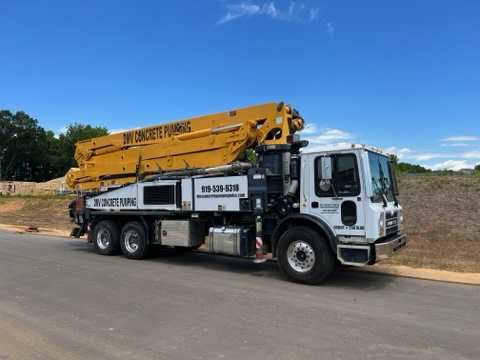
Understanding Concrete Pumping for Residential Applications
Concrete pumping is an essential service in the construction industry, particularly for residential applications. Homeowners in the Triangle area of North Carolina, including Raleigh, Durham, Cary, and surrounding regions, often face unique challenges when planning concrete placement for projects such as driveways, sidewalks, and slabs. Understanding how concrete pumping works and what to consider before scheduling a service can help ensure a successful project.
What is Concrete Pumping?
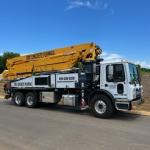
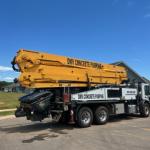
Concrete pumping involves using specialized equipment to transfer liquid concrete from a mixer truck to a specific location on a job site. This method allows for precise placement of concrete, especially in areas where traditional methods may be impractical due to access restrictions. Concrete pumping is particularly beneficial for residential projects where direct access for concrete trucks may be limited.
Benefits of Concrete Pumping for Residential Projects
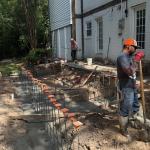
While concrete pumping does not guarantee lower costs or faster completion, it offers several advantages for homeowners. It allows for the placement of concrete in hard-to-reach areas, such as backyards or narrow driveways, without the need for extensive manual labor. Additionally, using concrete pumping can help reduce the risk of spills and messes, as the concrete is delivered directly to the desired location. This precision helps maintain a clean job site and minimizes the need for additional cleanup after the pour.
Planning Your Concrete Pour
Before scheduling a concrete pumping service, homeowners should consider several key factors to ensure a smooth operation:
- Project Location: Identify where the concrete will be placed and evaluate the accessibility of the site. Consider if the area is easily reachable by a concrete pump, especially if the project is in a confined space.
- Type of Concrete Placement: Determine whether you need concrete for a driveway, sidewalk, or slab, as this may affect how the pumping service is coordinated. Each type of project may require different considerations regarding volume and flow.
- Existing Structures: Take note of any existing fences, landscaping, or other features that may impact access or placement. This includes any overhead obstructions that may limit the pump's reach and should be communicated clearly to your pumping service provider.
Discussing Access Limitations
Access limitations are one of the primary considerations for homeowners planning a concrete pumping project. If your property has narrow entry points, steep slopes, or obstacles that may hinder a concrete truck's approach, it’s important to discuss these with DMV Concrete Pumping. Providing accurate information about your property’s layout will help ensure that the concrete pump can effectively deliver the material to the desired location. Additionally, consider any parking restrictions or local regulations that may apply, as these can affect the delivery process.
Coordinating with Your Concrete Supplier
Coordination between the concrete supplier and the pumping service is crucial for a successful pour. Homeowners should communicate with both parties to ensure that the timing of the concrete delivery aligns with the pumping service schedule. This will help prevent delays and ensure that the concrete remains workable during placement. Discussing the type of concrete needed for your project with the supplier can also help ensure that it meets the specific requirements for your application. Clear communication can also help address any last-minute changes or concerns that may arise.
Key Questions to Discuss with DMV Concrete Pumping
When reaching out to DMV Concrete Pumping, homeowners should be prepared to discuss several important topics:
- Site Access: Describe any potential access issues or constraints that may affect the pumping operation. Be specific about the layout and obstacles present on your property, as this will help DMV plan the best approach.
- Concrete Volume: Provide an estimate of how much concrete will be required for your project to ensure proper planning. This information is crucial for determining the pump size and scheduling.
- Delivery Timing: Discuss the timing of the concrete delivery and the expected duration of the pumping service. Understanding the timeline will help in coordinating with other contractors and suppliers, ensuring that everyone is aligned on the project schedule.
Understanding the Role of Concrete Pumping
It’s essential to understand that DMV Concrete Pumping specializes in providing concrete pumping services and does not engage in concrete construction or finishing. This distinction is important for homeowners to ensure clear expectations regarding the services provided. Concrete pumping serves as a means to efficiently deliver concrete to the job site, allowing other construction professionals to handle the finishing and installation aspects. By clarifying this role, homeowners can better plan their projects and coordinate with other contractors involved.
Final Considerations
When planning your concrete pumping project, taking the time to prepare and communicate effectively can make a significant difference. Consider discussing the following additional points with DMV Concrete Pumping:
- Weather Conditions: Discuss how weather may impact your project, particularly if rain or extreme temperatures are expected. Planning for these factors can help ensure a successful pour.
- Safety Measures: Inquire about safety protocols that DMV Concrete Pumping follows to protect both workers and your property during the pumping process.
- Post-Pour Cleanup: While DMV Concrete Pumping focuses on the pumping service, it’s helpful to discuss any cleanup expectations after the pour is complete.
Conclusion
Concrete pumping plays a vital role in residential projects, offering a practical solution for delivering concrete to challenging locations. Homeowners in the Raleigh, Durham, Cary, and surrounding Triangle area should consider factors such as site access, coordination with suppliers, and specific project requirements when planning their concrete placements. By discussing these considerations with DMV Concrete Pumping, you can ensure a smoother process and successful outcome for your residential concrete projects.
For more information or to discuss your concrete pumping project, call (919) 539-9318 or visit dmvconcretepumping.com.